We have been sharing more about the Wellness Summit, providing further details on its purpose.
Our planning committee shared what this continuing medical education experience is like and how it is designed to support healthcare professionals beyond clinical knowledge. Making it different from that of other similar events.
The next question is straightforward: What can attendees expect at this CME conference?
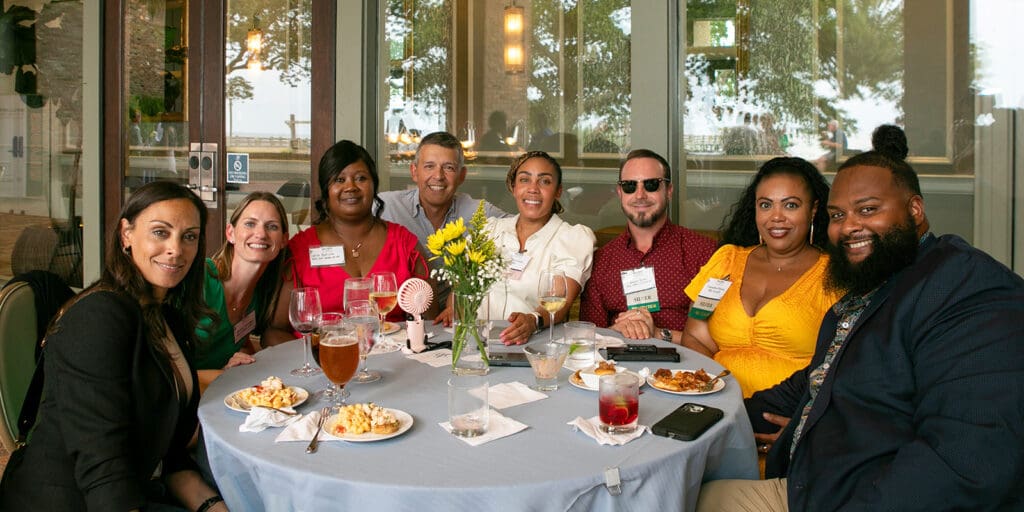
The answer goes beyond the agenda. It comes from how the experience unfolds over the course of the weekend through the environment, the conversations, and the way attendees engage with one another.
What It Feels Like to Arrive
For many first-time attendees, the experience begins with a mix of curiosity and uncertainty.
There is a moment where individuals arrive, take in the setting, and begin to understand that this environment is different from what they are used to. Dr. Luis Espinoza describes how “at first, the room hums with a quiet hesitation as strangers come together.”
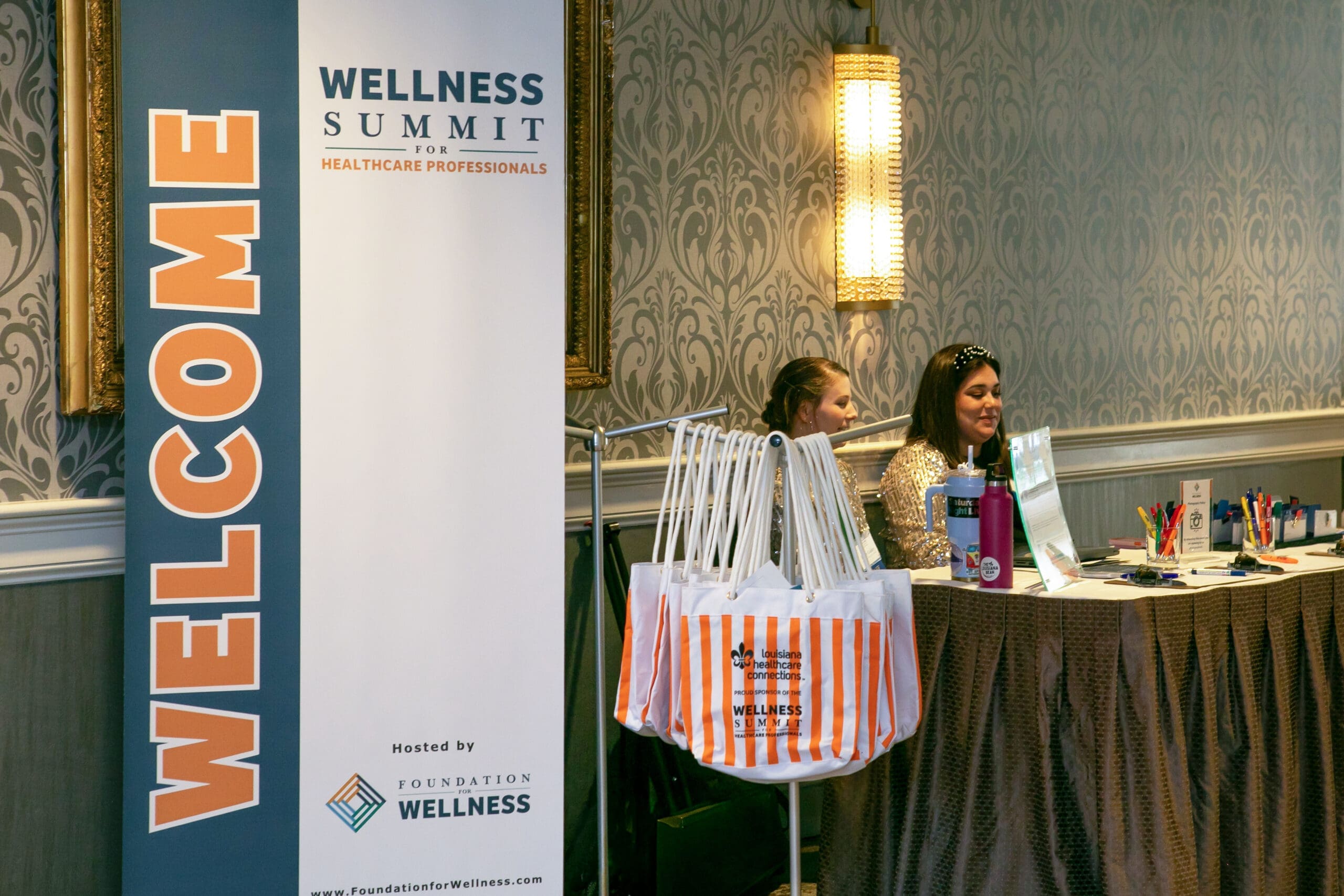
That initial hesitation goes away quickly. Everyone is welcomed in a way that feels genuine and natural. “A most pleasant greeting from the entire Foundation for Wellness staff at the sign-in desk,” as Dr. Espinoza shared.
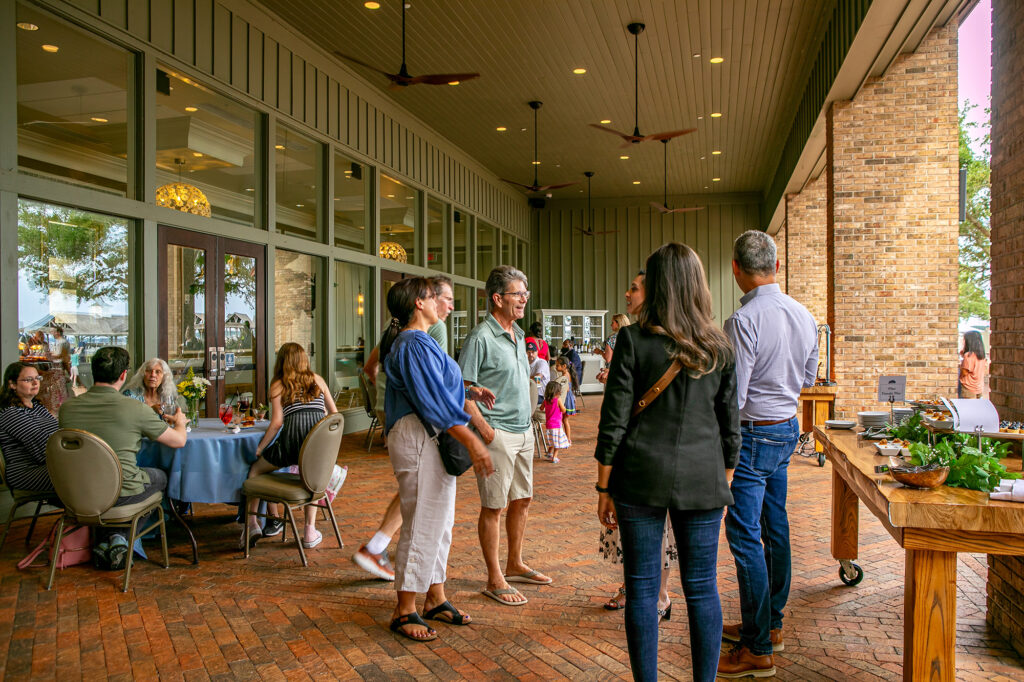
Conversations begin organically, and connections start to form early. The setting plays a role in that experience.
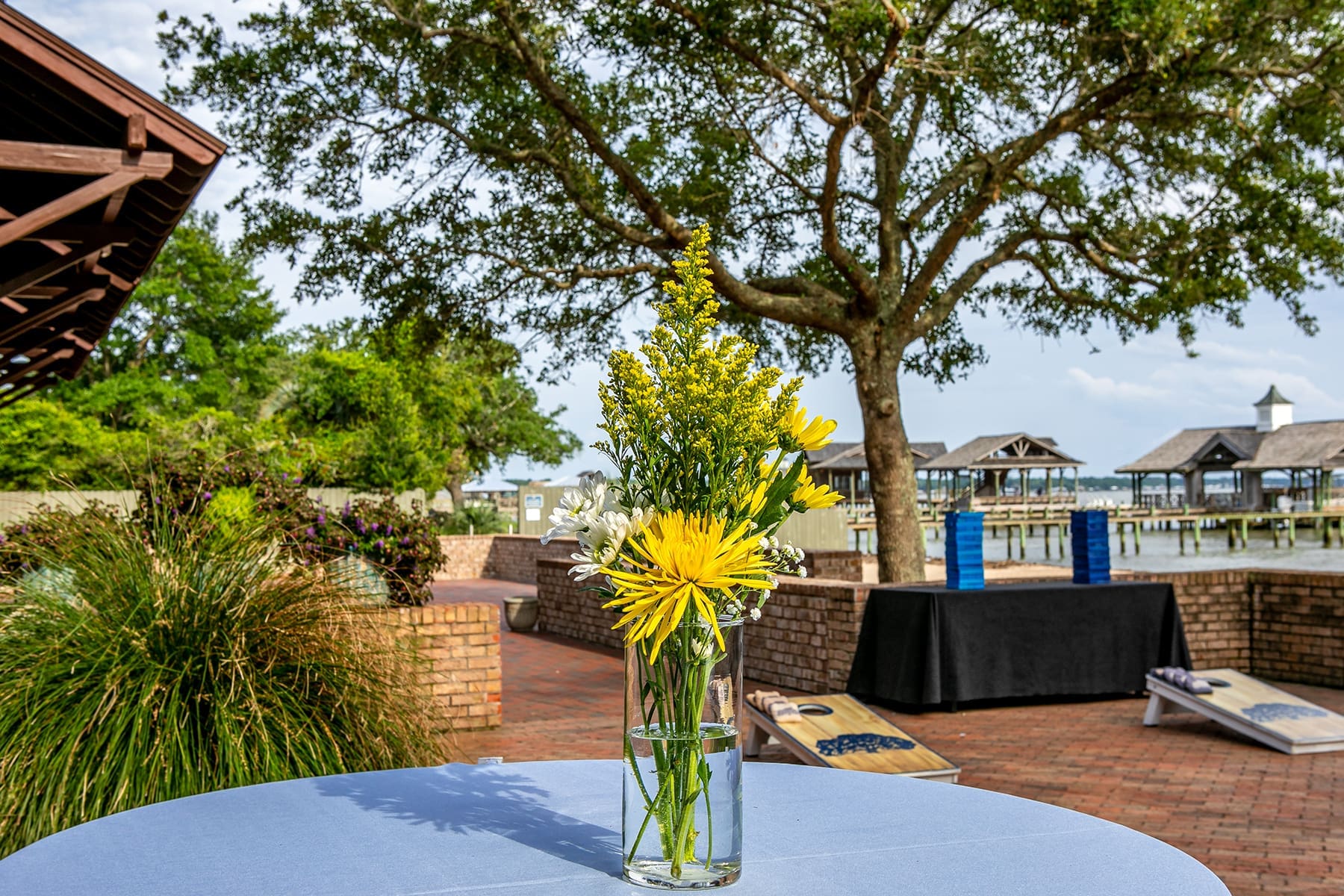
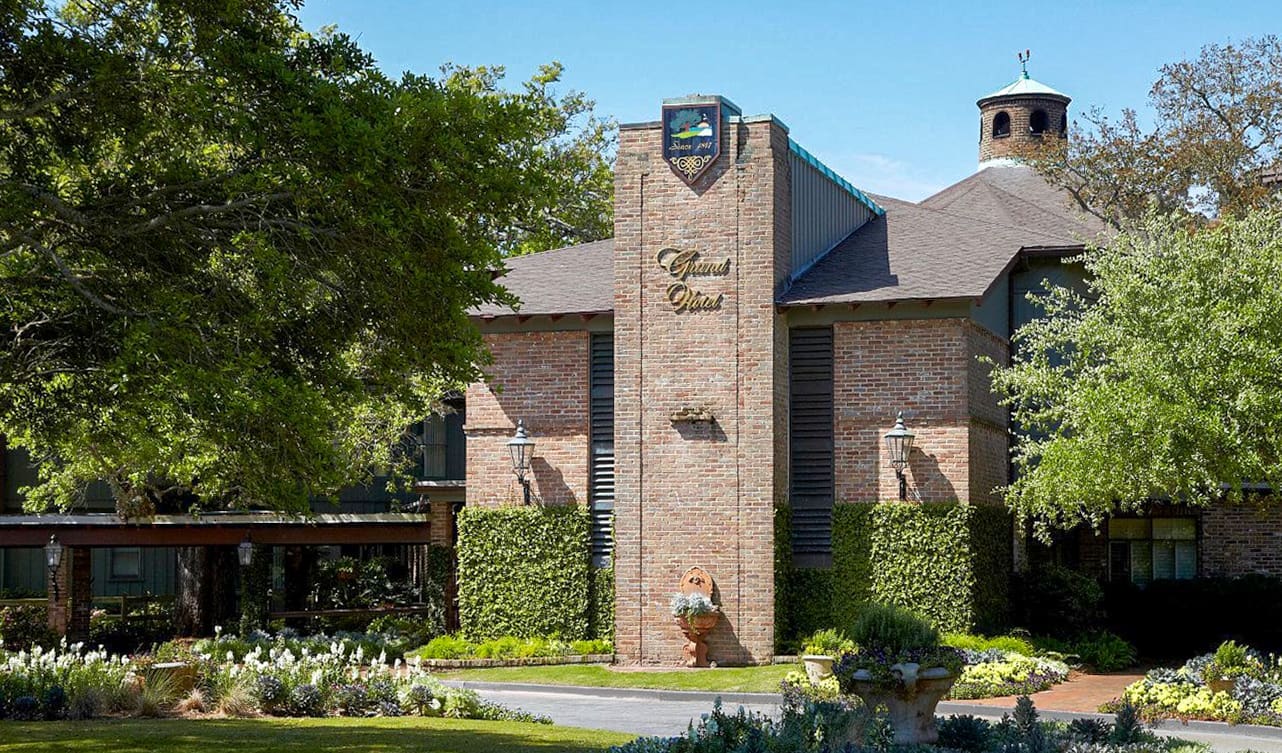
“The Grand Hotel is a beautiful resort facility with spaces for gathering as well as quiet places for reflection,” Dr. Jeannette Liu noted.
The environment supports both interaction and individual reflection, which helps attendees settle in quickly.
How the Weekend Is Structured
The Wellness Summit is structured but intentionally not rigid.
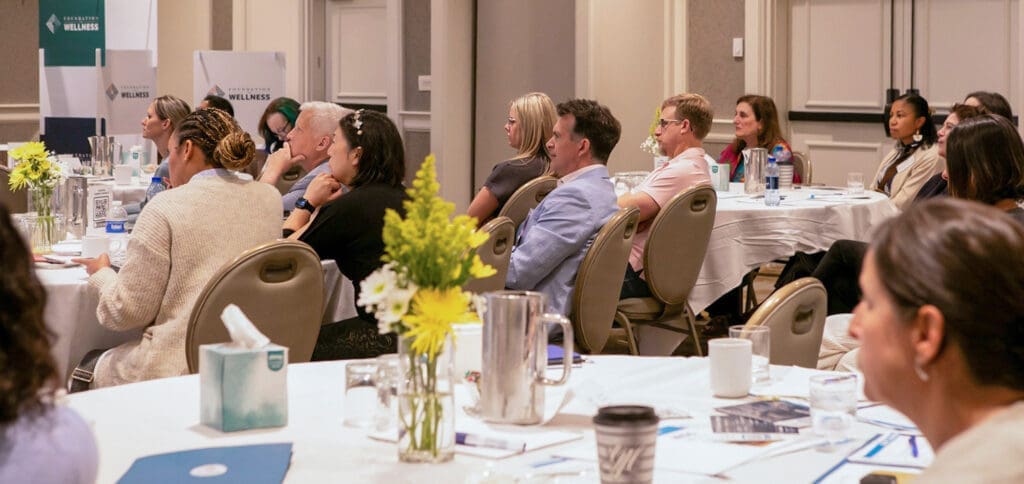
Each day includes presentations, discussions, and opportunities to engage with speakers. At the same time, the schedule allows space between sessions.
“There’s a balance of structured and unstructured time,” Dr. Liu explained.
Attendees move between sessions and informal moments throughout the day. Some choose to spend time outdoors, and others connect with peers over meals or during breaks. There is no pressure to move quickly from one session to the next.
Where the Most Meaningful Interactions Happen
While the sessions are valuable, many attendees point to the time outside of them as the most impactful.
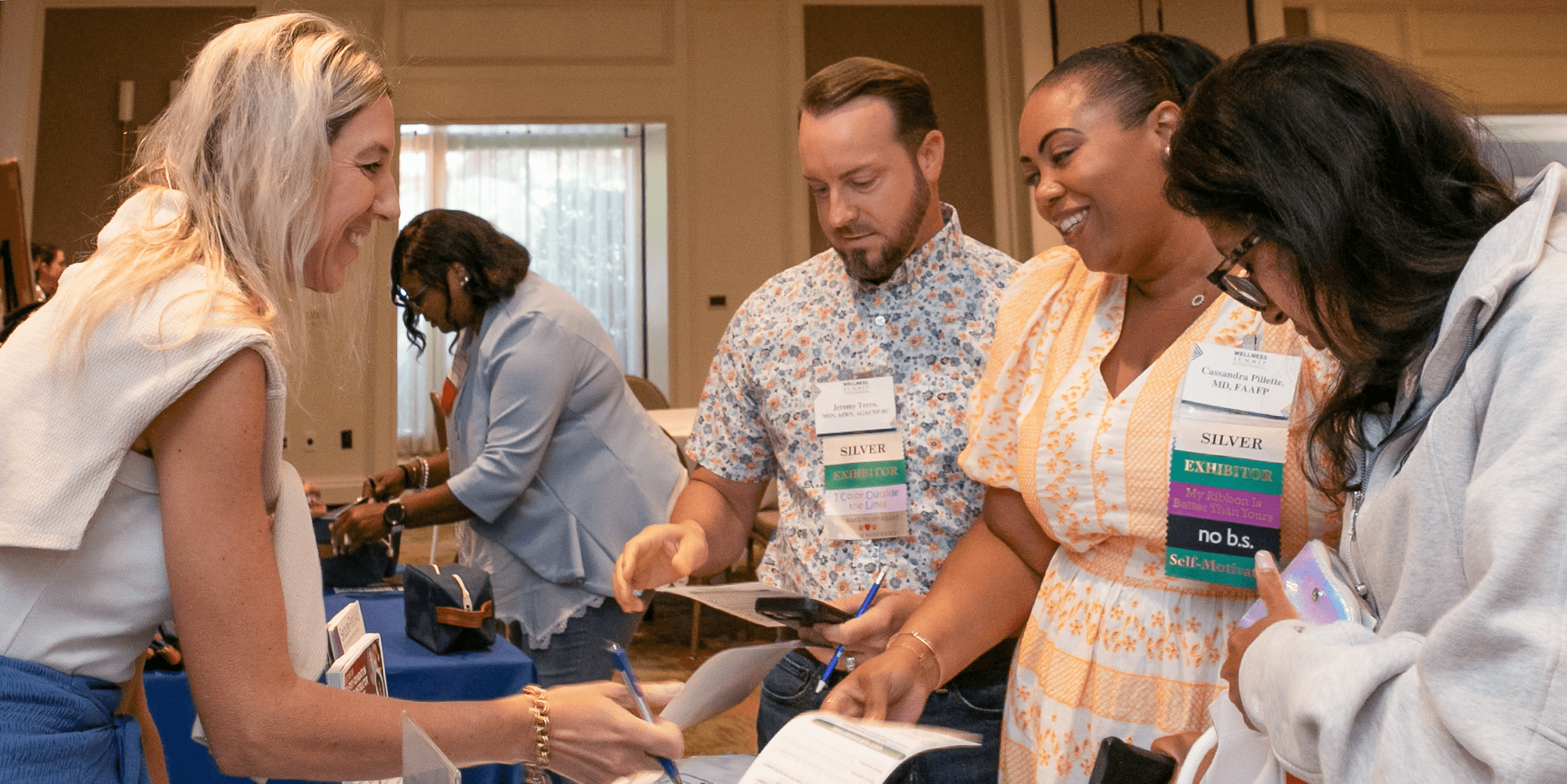
“The most meaningful interactions occur during discussions after each presentation and in spontaneous conversations,” Dr. Liu shared.
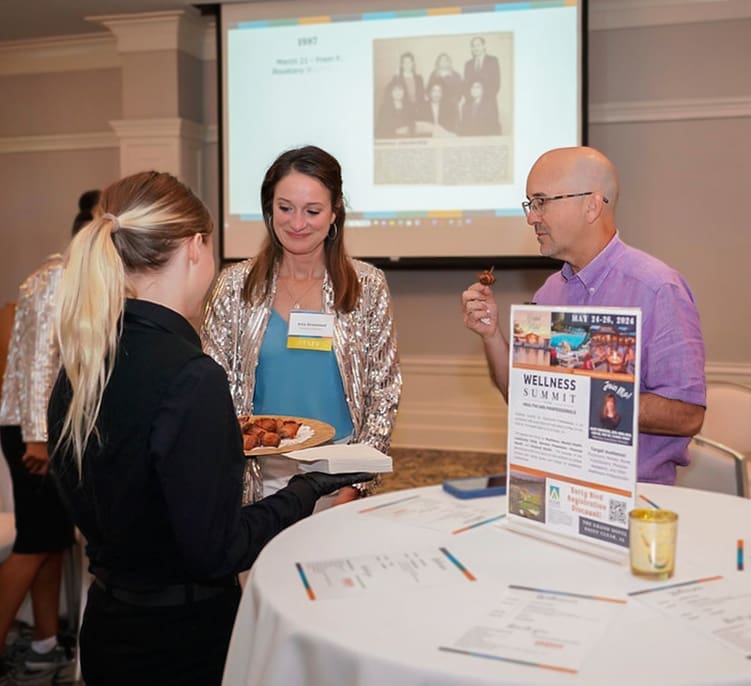
Others describe it more simply: “Breaks and evenings.”
These interactions often take place during meals, receptions, or in smaller group settings.
Conversations tend to move beyond surface-level topics and into more honest discussions about the realities of working in healthcare.
Attendees discuss professional challenges, personal experiences, and the pressures of the field. Those conversations often lead to a stronger sense of connection.
How the Experience Evolves
One of the defining characteristics of the Wellness Summit is how the atmosphere changes over time.
Dr. Andrea Espinoza explained, “You could feel the edges soften as the weekend unfolded.”
Initial introductions develop into more meaningful conversations.
As the Summit progresses, attendees become more open in their interactions with one another. By the end of the weekend, many describe a noticeable shift.
“There’s a level of safety that allows people to be vulnerable,” Dr. Shaunda Grisby noted. “Many people arrive as strangers and leave as friends.”
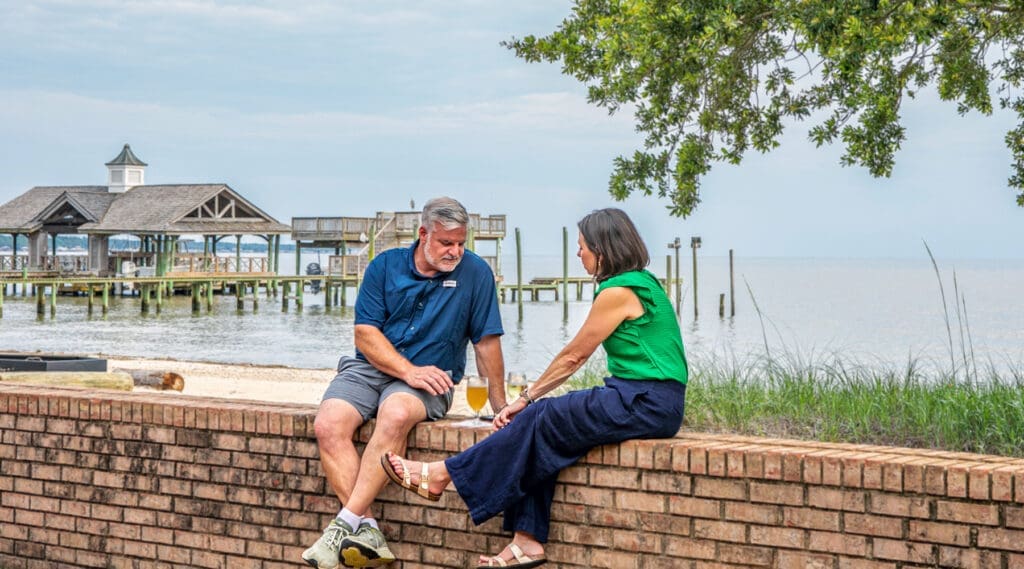
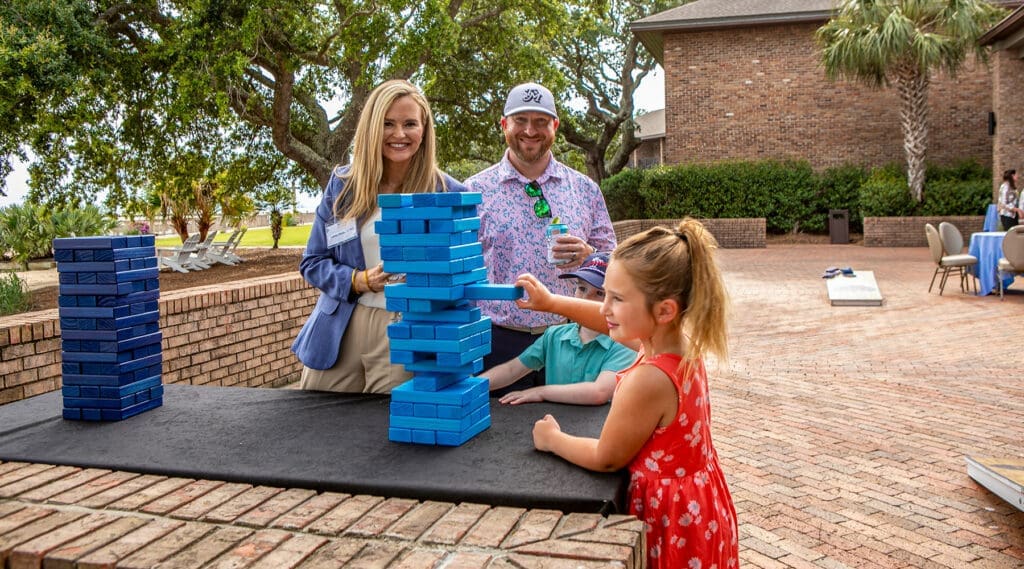
What Attendees Take With Them
The outcomes of the Wellness Summit extend beyond the sessions themselves.
Some attendees leave with practical tools they can apply immediately. Others leave with a different perspective on their work and their role within it.
For many, the most meaningful takeaway is the recognition that their experiences are shared by others in the field. That understanding can influence how they approach their work moving forward.
Looking Ahead to This Year’s Summit
The goal of the Wellness Summit remains consistent every year.
It is designed to create space for healthcare professionals to step away from the pace of their daily responsibilities and engage more intentionally.
“I hope attendees leave with a renewed sense of professional purpose,” said Dr. Bryan Sibley.
Others describe the outcome in practical terms – feeling more grounded, more focused, and better prepared to navigate the demands of their work.
Each attendee takes something different from the experience, depending on what they need.
Considering Attending The Wellness Summit?
For those healthcare professionals attending for the first time, the approach is simple.
- Come with an open mind and prepare to engage.
- Allow time for reflection and conversation.
- Be open to connections that may not happen in other professional settings.
The CME-accredited experience tends to reflect the level of participation each attendee brings.
Check out the agenda, then register to attend before it’s too late.
Frequently Asked Questions
Each day includes a combination of presentations, discussions, and time set aside for reflection and connection. Attendees move between structured sessions and informal interactions.
Yes. The schedule is intentionally designed to include breaks, meals, and free time to allow for both rest and meaningful interaction.
Both inside and outside of sessions. Many of the most meaningful conversations take place during breaks, meals, and informal gatherings.
Physicians, nurses, advanced practice providers, administrators, and other healthcare professionals from a range of specialties.
A welcoming environment, thoughtful discussions, and an experience that balances professional learning with personal reflection.
Yes! The Wellness Summit provides accredited continuing medical education hours while exploring topics related to professional fulfillment and clinician well-being. Physicians will receive 9.75 credit hours and nurses will receive 10.00 credit hours.
Sessions address physician wellness, presence in clinical practice, leadership, communication, and strategies for sustaining long-term careers in healthcare. A variety of healthcare and wellness topics are covered, including nutrition, eliminating hurry, sustaining well-being, imposter syndrome, reclaiming well-being, and more.