When healthcare professionals talk about the moments that shape their careers, they rarely mention CME conferences.
They talk about patients. Colleagues. The difficult decisions that stay with them long after the day ends. Medicine is built on those experiences, yet the profession’s pace rarely allows time to process them.
That reality is part of what inspired Foundation for Wellness to create the Wellness Summit.
As we explored the event experience in our previous article, it was created to provide healthcare professionals with an opportunity to reflect, reconnect, and engage with peers in meaningful ways.
This summit unites professionals from diverse healthcare specialties. While clinical knowledge remains important, this event centers on the personal side of medicine – purpose, presence, connection, and sustaining a meaningful career. Its core message is that prioritizing reflection, community, and well-being is essential to fulfillment in healthcare.
For many attendees, this broader understanding is what truly distinguishes the Wellness Summit, setting the stage for a more open and connected experience.
A Culture of Openness
Dr. Andrea Espinoza has spent much of her career working in pulmonary and critical care medicine, where decisions often carry immediate and serious consequences. In environments like that, conversations tend to stay focused on clinical outcomes and efficiency.
During the planning discussions for the Wellness Summit, she reflected on how different the atmosphere feels when healthcare professionals are given space to speak openly with one another. Rather than showcasing expertise, many participants share their challenges, professional pressures, and ongoing questions as their careers progress.
Those conversations often lead to deeper connections among attendees.
Her husband, orthopedic surgeon Dr. Luis Espinoza, has attended with her and believes that the environment makes the experience memorable. He noted that the most meaningful discussions rarely happen during formal sessions, but in the moments between them when clinicians begin talking honestly about their work, their families, and the ways medicine shapes their lives.
That willingness to engage beyond professional roles helps create a setting where healthcare professionals feel comfortable learning not just from speakers, but from one another.
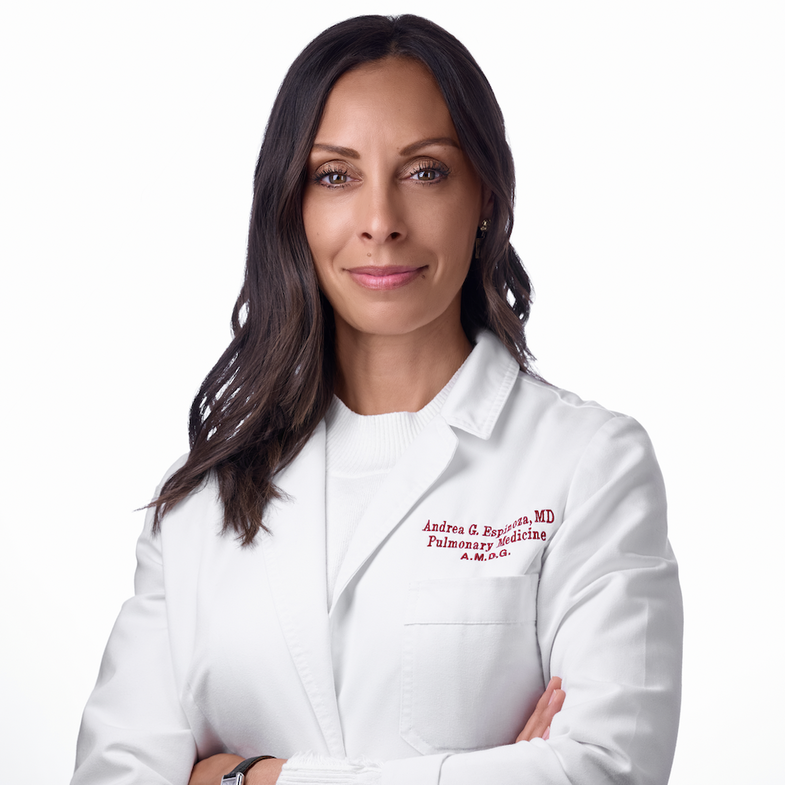
Andrea Espinoza, MD, FCCP, DipABLM
Pulmonologist & Lifestyle Medicine,
Orthopedic Center for Sports Medicine
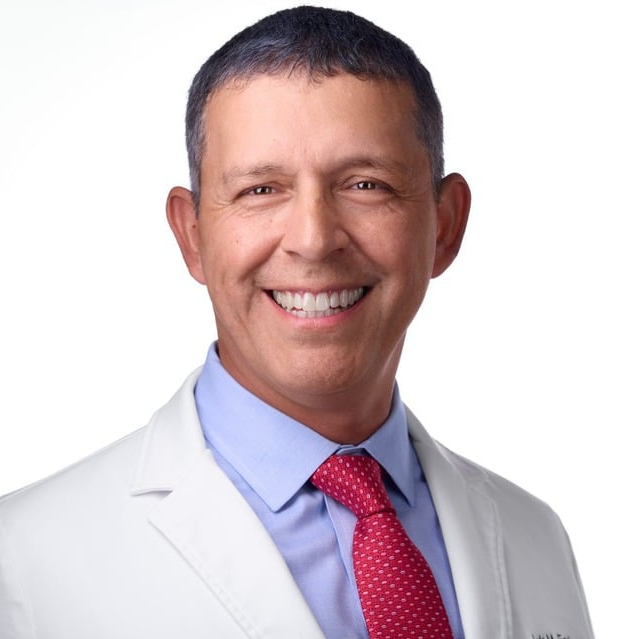
Luis Espinoza, MD
Sports Medicine Specialist & Orthopedic Surgeon,
Orthopedic Center for Sports Medicine
Turning Attention Toward the Clinician
The difference between the Wellness Summit and most educational gatherings comes down to perspective, according to breast surgical oncologist Dr. Shaunda Grisby.
That shift may seem subtle, but it creates space for reflection that rarely occurs amid busy professional schedules.
Participants begin asking different kinds of questions:
- What helps sustain a career in healthcare over time?
- How do physicians maintain empathy and presence in high-pressure environments?
- What habits allow professionals to care for others without losing themselves in the process?
Exploring those questions often yields meaningful insights into both personal well-being and professional longevity.
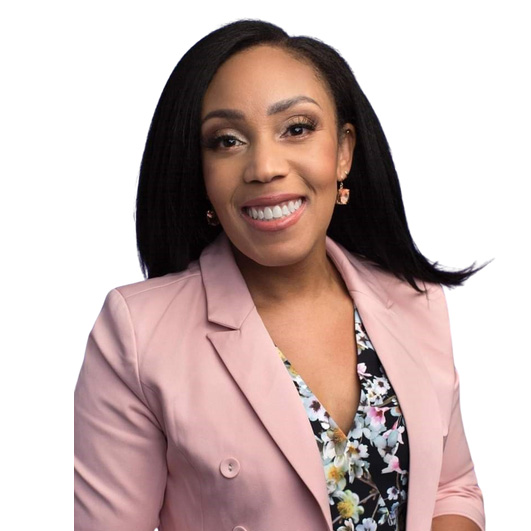
Shaunda Grisby, MD, FACS, MMM
Breast Surgical Oncologist,
Ochsner Lafayette General Breast Center
Conversations That Rarely Happen in Medical Education
After decades of working as a pediatric neurosurgeon, Dr. Ann Marie Flannery has participated in countless professional gatherings throughout her career.
What struck her about the Wellness Summit was the kind of dialogue among attendees.
Instead of limiting discussions to techniques, research, or outcomes, conversations shift to the personal aspects of practicing medicine, the responsibilities, and emotional impacts clinicians face.
This openness can initially feel unexpected but quickly becomes one of the Summit’s most valued aspects.
When providers recognize that others share similar pressures and questions, the nature of the discussion changes. What begins as a conference gradually becomes a community of peers willing to speak honestly about the realities of the profession.
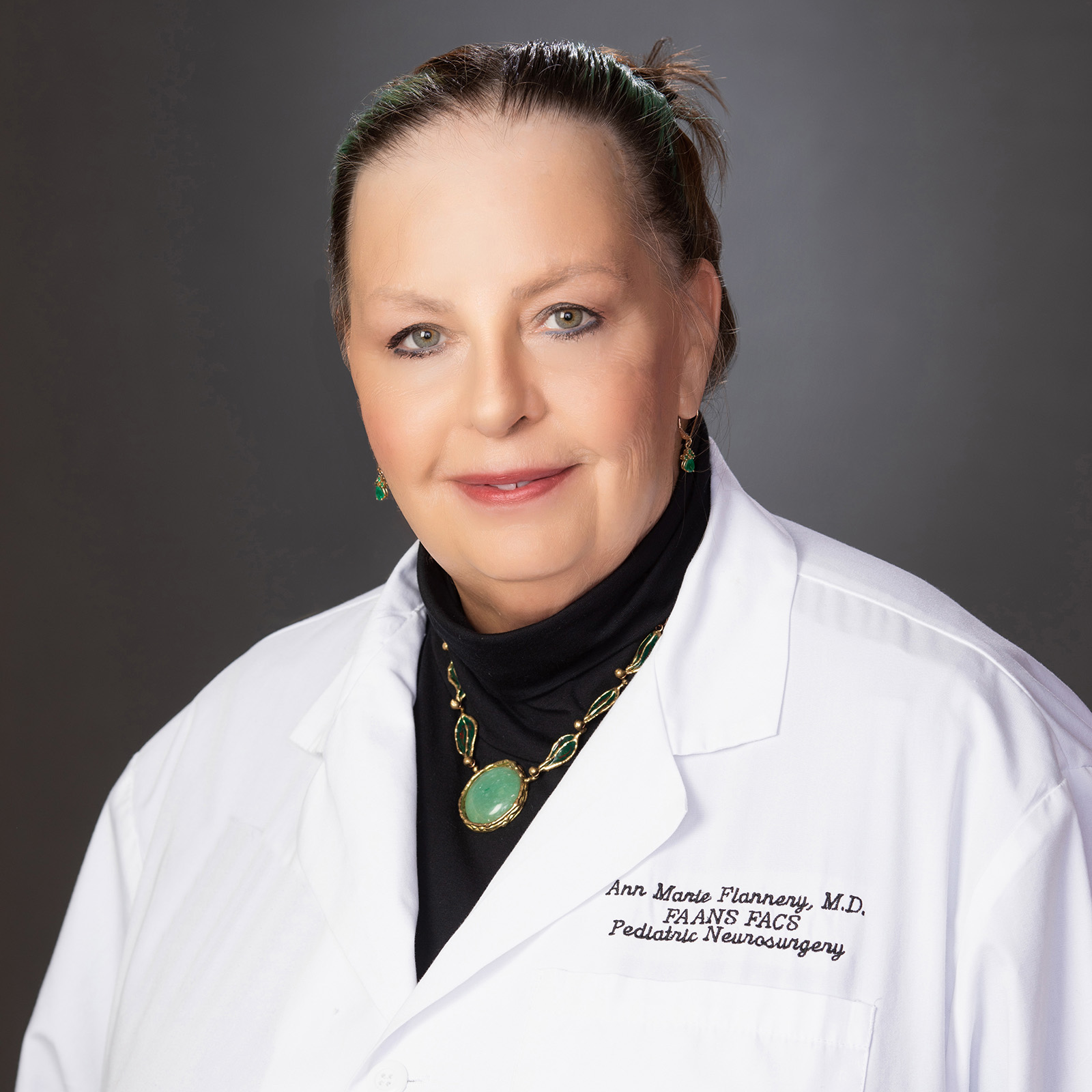
Ann Flannery, MD
Retired Neurosurgeon,
Retired from Our Lady of Lourdes Women’s & Children’s Hospital
Lessons That Come from Experience
The speakers contribute to these discussions by sharing stories that connect professional expertise with personal perspective.
Neurosurgeon Dr. Jeannette Liu has spoken about how her experience on the patient side reshaped her understanding of communication and empathy in medicine.
Moments like those remind attendees that the most influential lessons in healthcare often emerge from lived experience to personal experience.
Dr. Nigel Girgrah, Chief Wellness Officer at Ochsner Health, approaches physician well-being from a systems perspective. His work focuses on helping healthcare organizations create environments where professionals can thrive rather than simply endure the demands placed upon them.
During the planning discussions, he emphasized that meaningful change in healthcare requires acknowledging the needs of the professionals delivering care.
Supporting clinicians, he explained, ultimately strengthens the entire healthcare system.
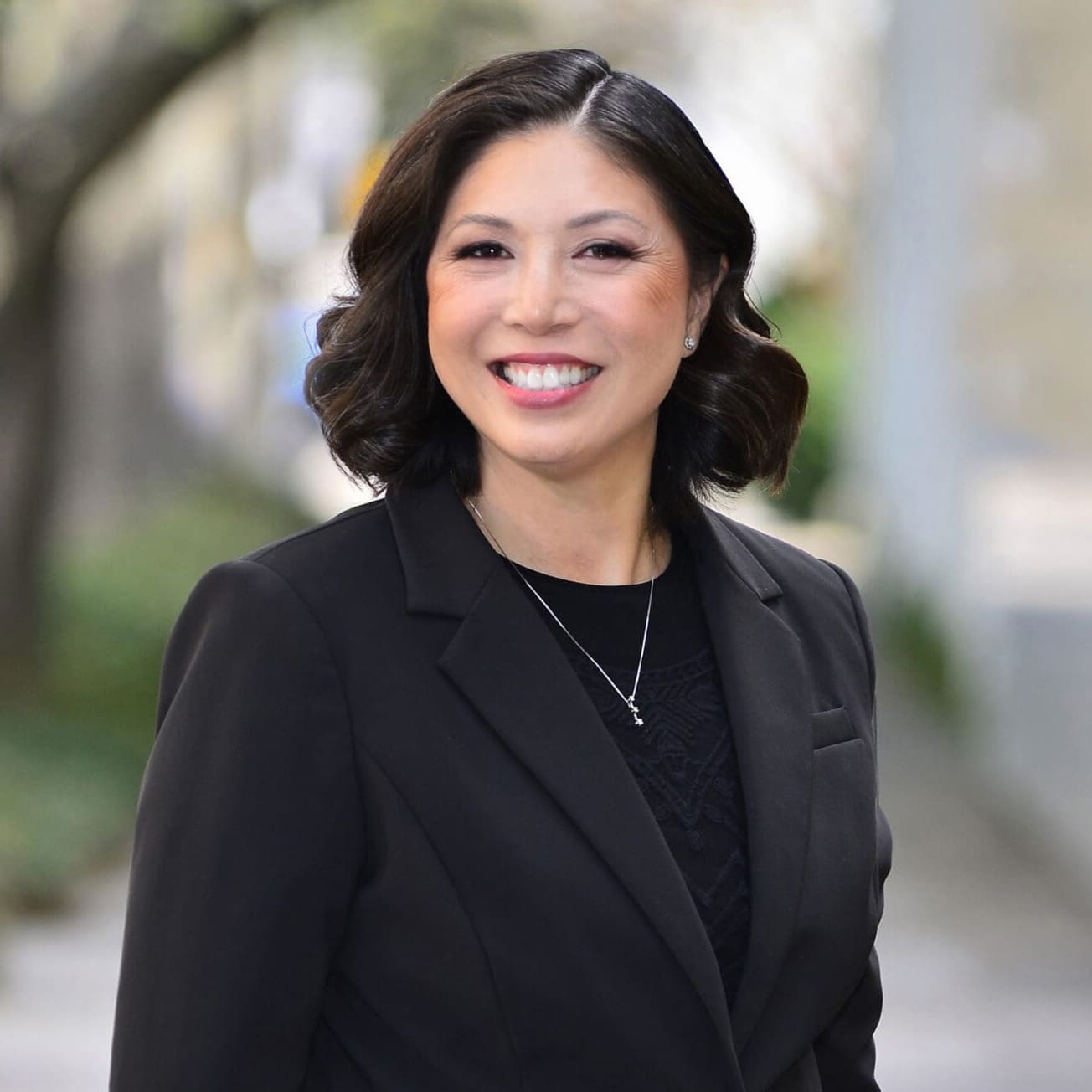
Jeannette M. Liu, MD, FAANS
Committee Member & Speaker
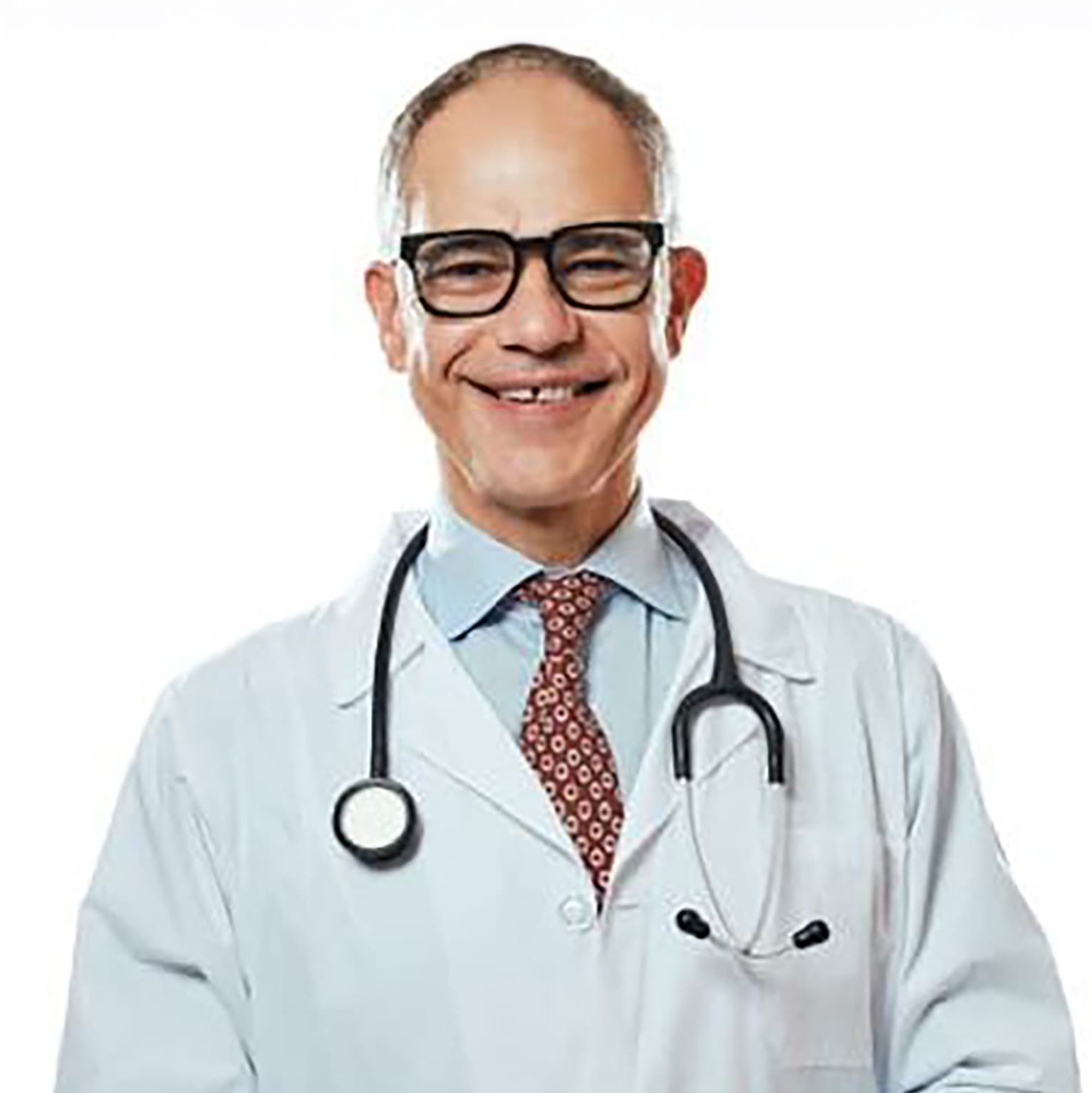
Nigel Girgrah, MD
Hepatologist,
Ochsner Medical Center - New Orleans
The Importance of Slowing Down
One of the most distinctive themes that emerges during the Summit is the idea of intentionally slowing down.
Returning speaker and planning committee member Dr. Bryan Sibley will explore that concept in his upcoming session, alongside Dr. John Storment, titled “The Ruthless Elimination of Hurry: Finding Rest and Presence in a Culture of Overload.”
In healthcare, where schedules often feel relentless, the idea of eliminating hurry can seem almost impossible.
Yet Dr. Sibley believes those moments of pause are essential.
They allow clinicians to reconnect with their work, their patients, and the reasons they chose this profession in the first place.
Within the Summit setting, those conversations help restore perspective in a profession that rarely slows its pace.
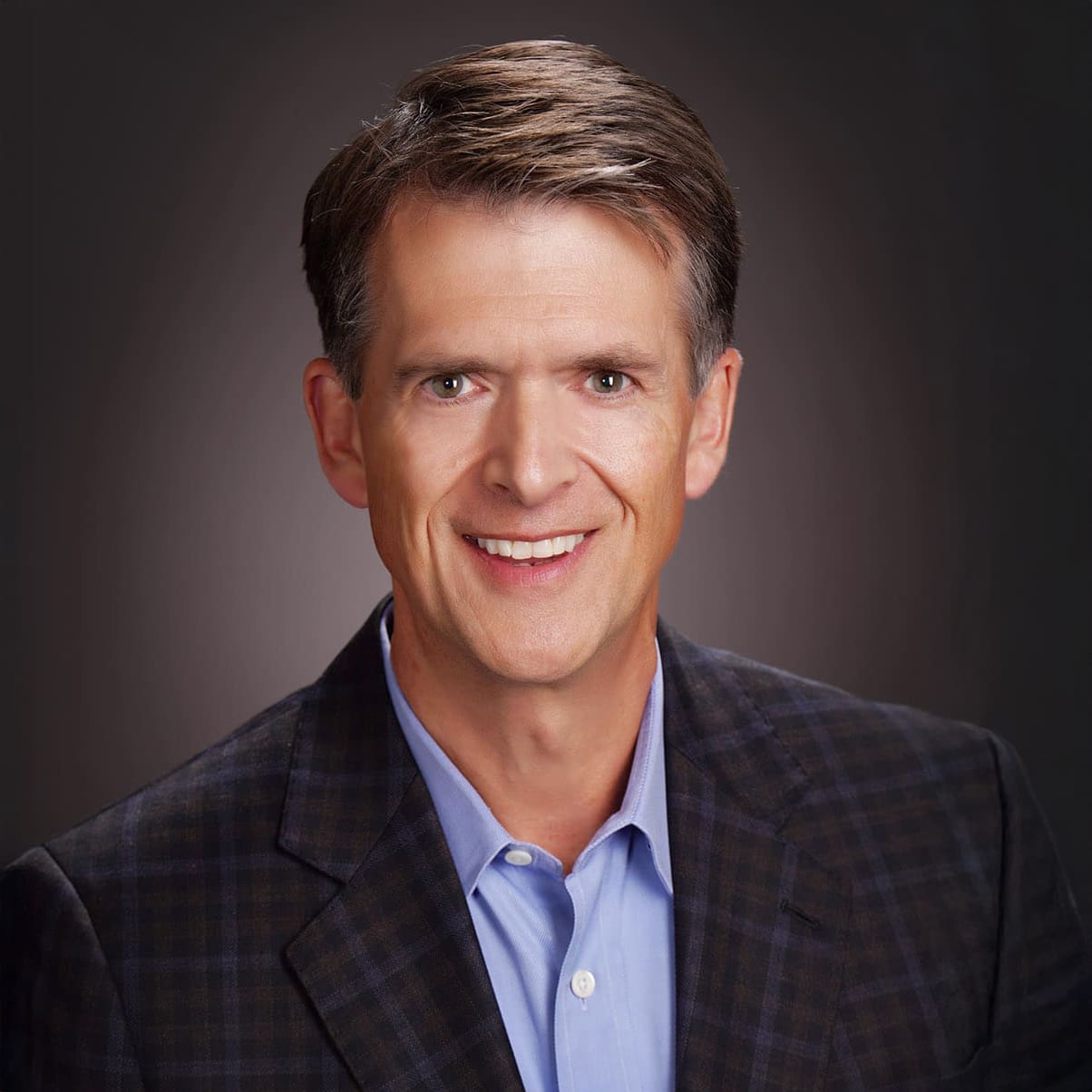
Bryan G. Sibley, MD, FAAP
General Pediatrics, Medical Director - Inpatient Pediatrics Ochsner,
Lafayette General
Why The Wellness Summit is Different
Healthcare continues to advance rapidly, bringing remarkable innovations alongside increasing demands on those practicing medicine.
Continuing medical education will always remain essential for maintaining high standards of care; therefore, sustaining a meaningful career in healthcare requires more than knowledge alone.
It requires supportive peers, honest conversations, and opportunities to reflect on the deeper purpose behind the work. The Wellness Summit was created to offer that space.
For healthcare professionals seeking a CME-accredited experience that values both science and humanity, the difference is clear from the start, and it stays with you long after the Summit concludes.
Attend this one-of-a-kind CME conference that redefines professional growth.
Frequently Asked Questions
The Summit combines accredited continuing medical education with conversations about physician well-being, professional sustainability, and the human experience of practicing medicine.
Physicians, nurses, advanced practice providers, healthcare leaders, and professionals working in patient care environments who want to strengthen both their professional practice and personal resilience.
Yes! The Wellness Summit provides accredited continuing medical education hours while exploring topics related to professional fulfillment and clinician well-being.
Sessions address physician wellness, presence in clinical practice, leadership, communication, and strategies for sustaining long-term careers in healthcare. A variety of healthcare and wellness topics are covered, including nutrition, elimination hurry, sustaining well-being, imposter syndrome, reclaiming well-being, and more.