If you’ve been in healthcare long enough, you know what most conferences feel like before you even walk through the doors.
There’s the packed agenda with the familiar slides. The hallway conversations tend to circle back to the same topics, such as productivity, patient volumes, new protocols, and what’s changing in the field.
All of it matters. It’s part of the work. But what’s rarely part of those conversations is the one thing every provider carries into the room with them: themselves.
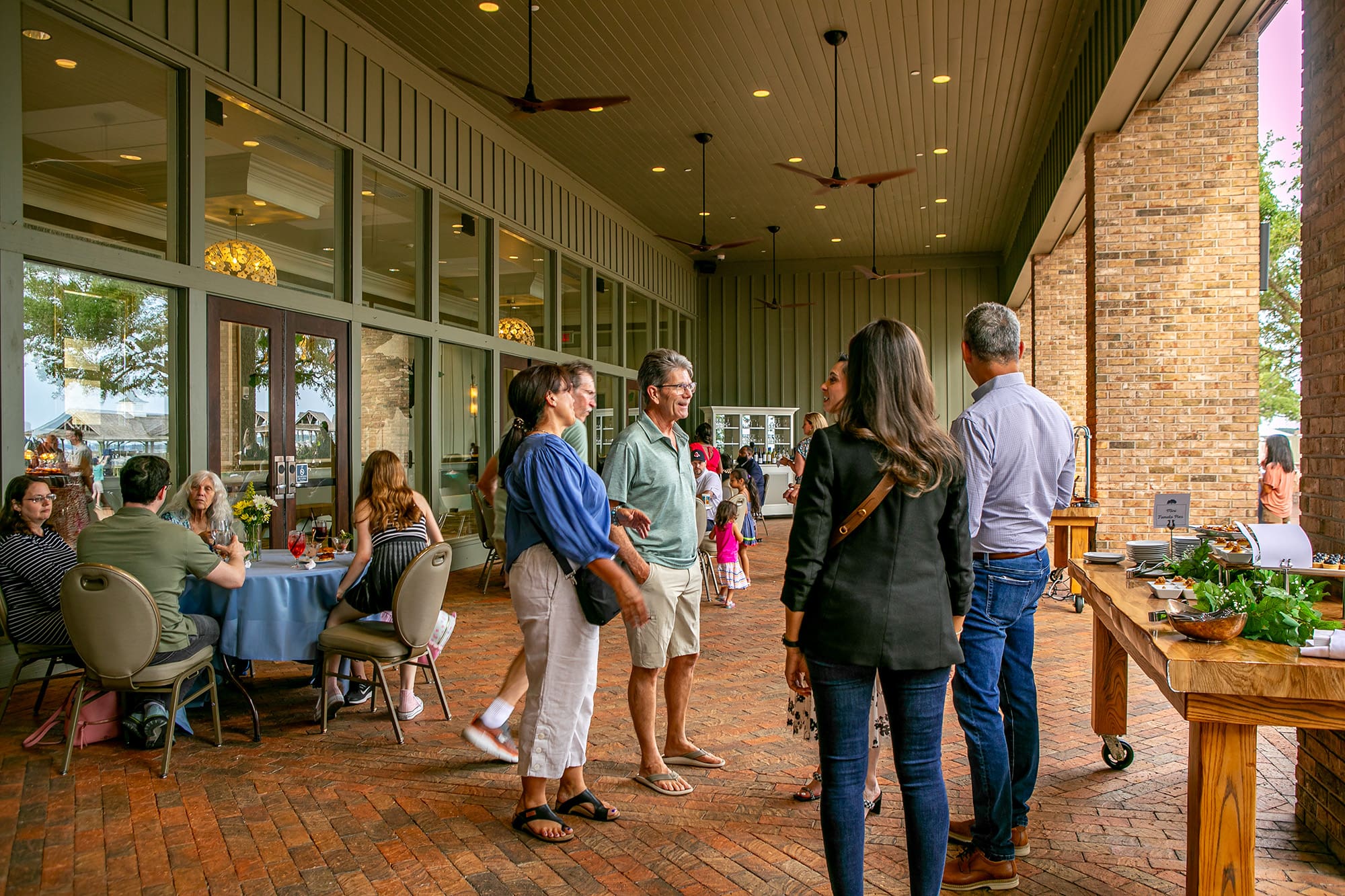
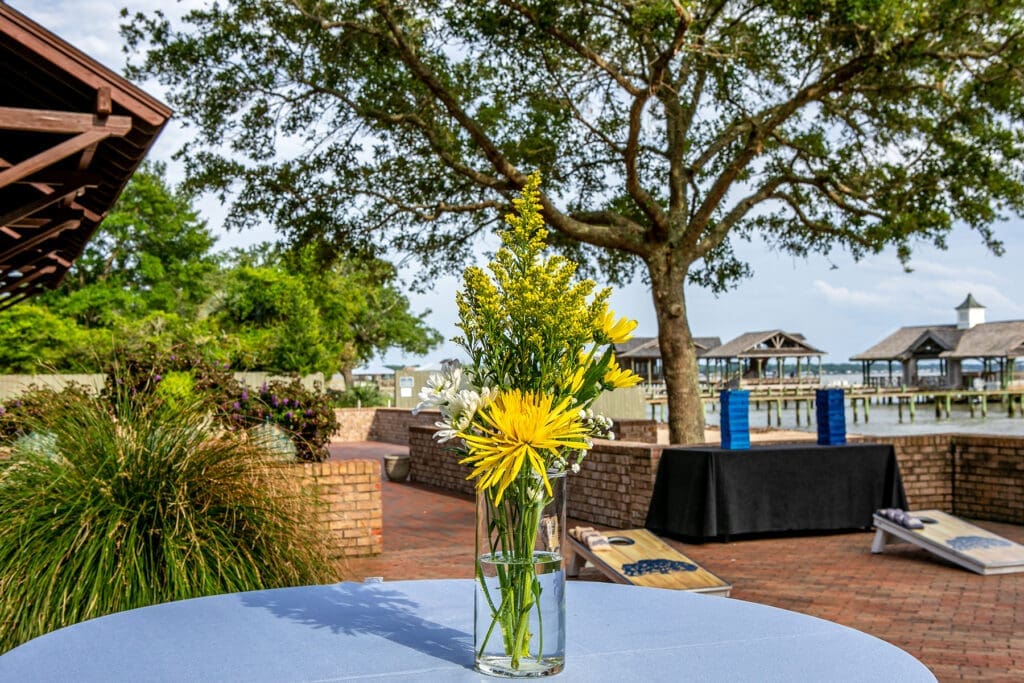
The Wellness Summit, organized by the Foundation for Wellness with support from a dedicated planning committee of healthcare professionals, is built around that reality. This event is happening Friday, May 29, through Sunday, May 31, at the Grand Hotel Golf Resort & Spa in Point Clear, Alabama.
It’s designed to fill the space that those conferences often leave untouched, going beyond traditional CME events to address the part of the job that has nothing to do with clinical technique and everything to do with sustaining a life in healthcare.
At its core, it starts with a simple idea: before you can take care of patients well, you must take care of yourself.
“This one is focused on the individual.”
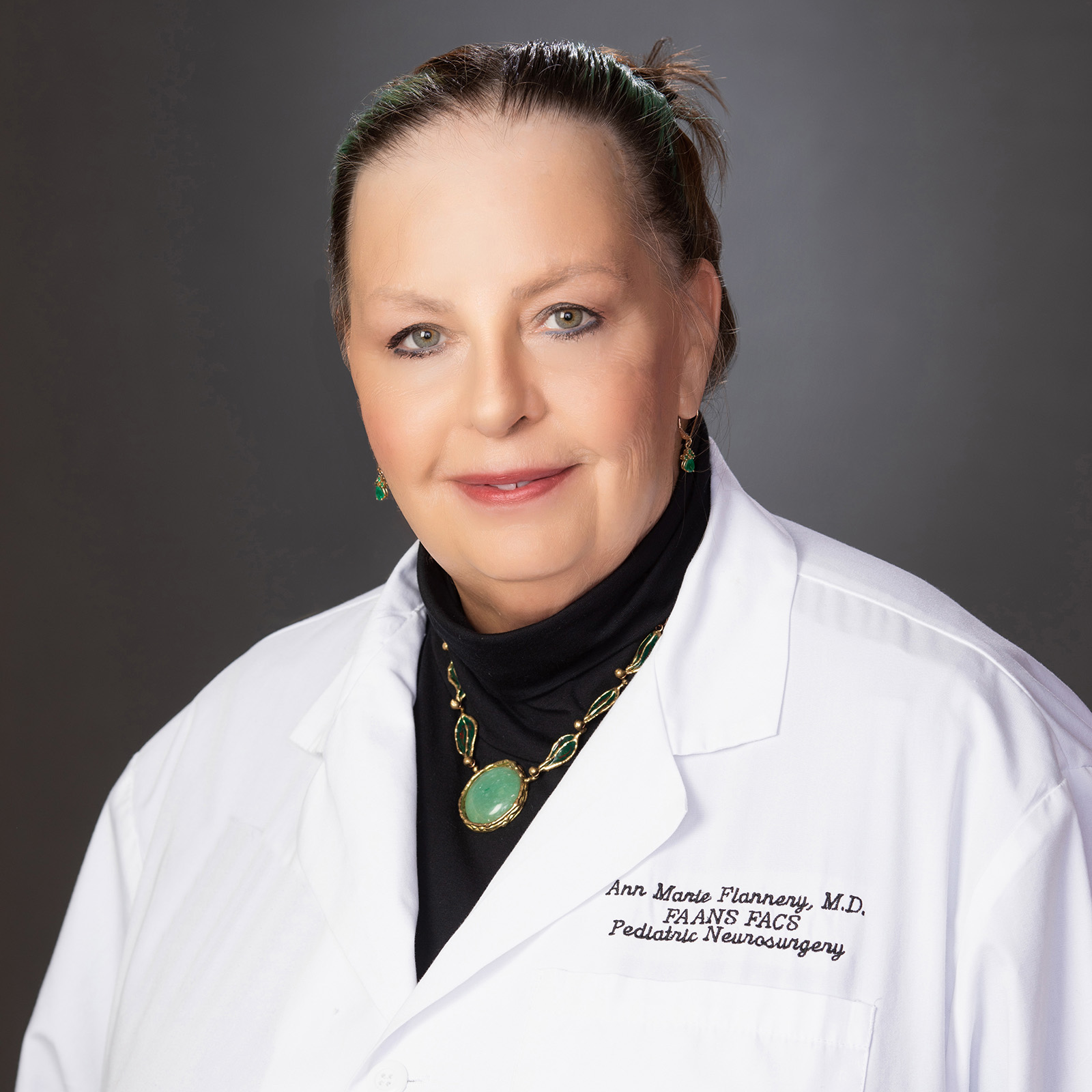
Dr. Ann Marie Flannery has attended more medical meetings than she can count. After nearly four decades in pediatric neurosurgery, she knows exactly what most of them look like.
When she attended the Wellness Summit for the first time, she wasn’t sure what to expect. What stood out to her was more than the format or the content; it was the shift in focus.
“Most medical meetings focus outward,” she said. “You go to learn the latest techniques or present your work. This one is focused on the individual, on emotional intelligence, self-care, and the things we don’t usually talk about.”
That difference shows up quickly once the conversations begin. Instead of comparing cases or outcomes, people talk about the parts of the job that don’t appear in charts. The emotional weight of decision-making, the strain of long hours, and the challenge of balancing professional and personal responsibilities.
For many attendees, it’s the first time they’ve had space to discuss those realities with peers who understand them openly.

Ann Flannery, MD
Retired Neurosurgeon,
Retired from Our Lady of Lourdes Women’s & Children’s Hospital
Leaving the competition outside the room
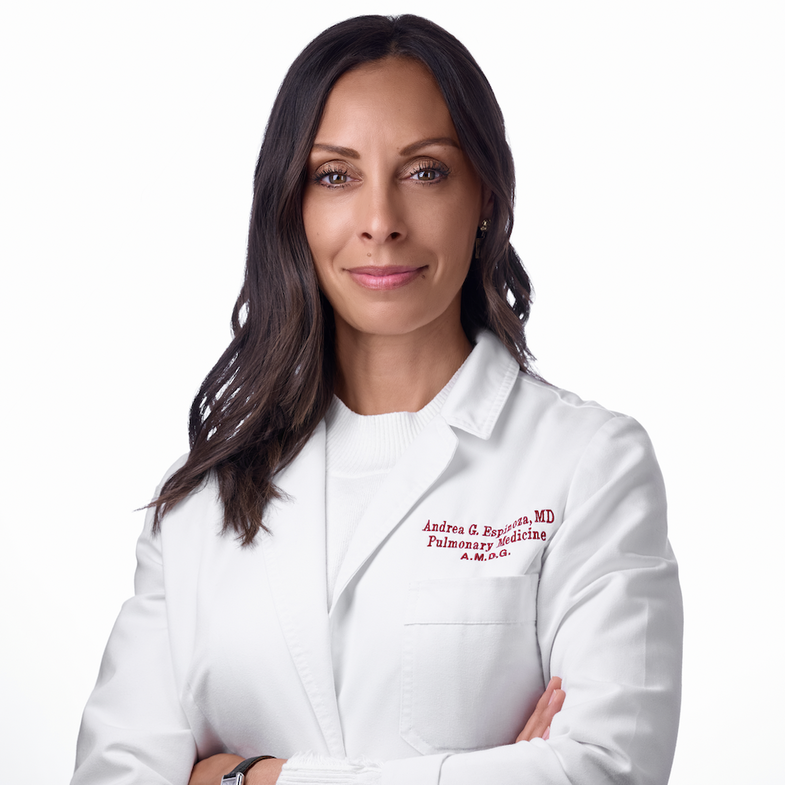
Dr. Andrea Espinoza describes the environment at the Summit in a way that surprises those accustomed to more traditional CME settings.
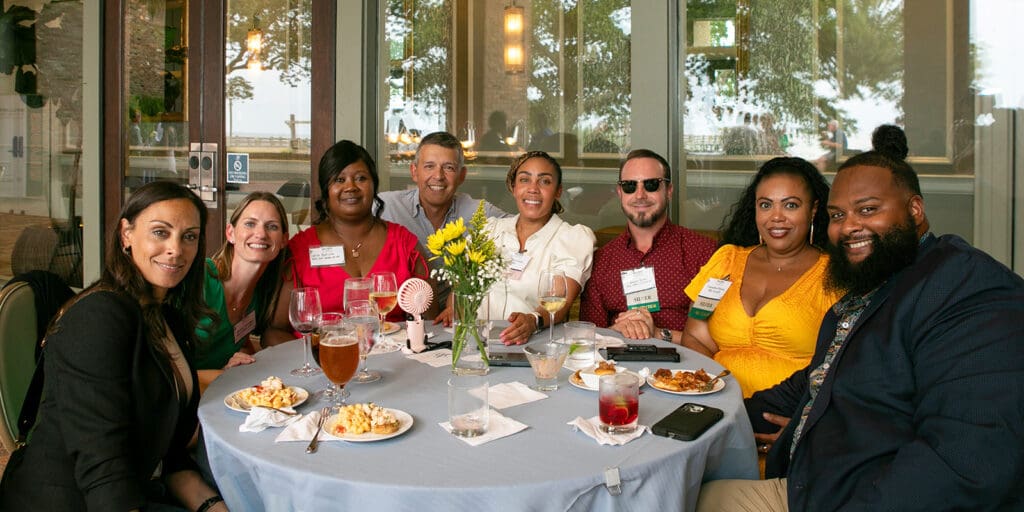
“It’s one of the few places where ego really does get left outside the room,” she said. “You come in, and people are kind, open, and willing to be vulnerable. That’s what makes it so powerful.”
Her husband, orthopedic surgeon Dr. Luis Espinoza, has attended alongside her and noticed the same dynamic.
“At most conferences, there’s a sense of competition whether we admit it or not,” he said. “Here, it feels different. You’re able to connect with people on a personal level. You can ask real questions and actually relate to what others are experiencing.”
That shift changes the tone of the entire event. Instead of feeling like another professional obligation, the Summit begins to feel more like a shared conversation – one where people can be honest about both the rewards and the challenges of the work they do.

Andrea Espinoza, MD, FCCP, DipABLM
Pulmonologist & Lifestyle Medicine,
Orthopedic Center for Sports Medicine
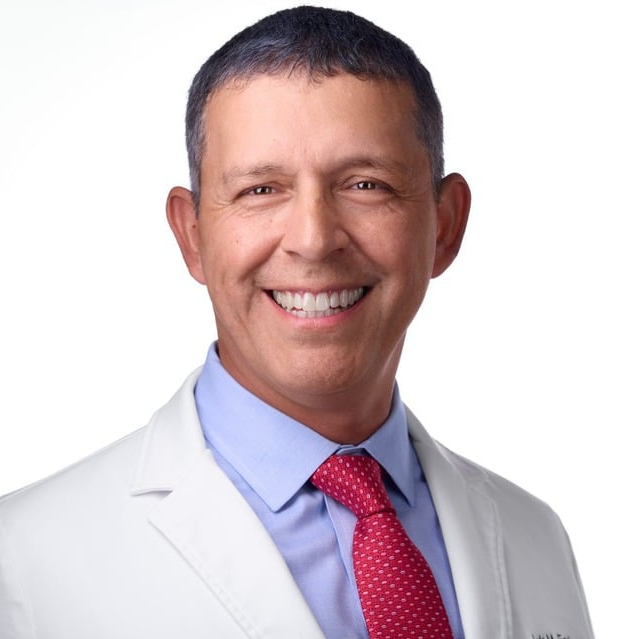
Luis Espinoza, MD
Sports Medicine Specialist & Orthopedic Surgeon,
Orthopedic Center for Sports Medicine
“In a way, you become the patient.”
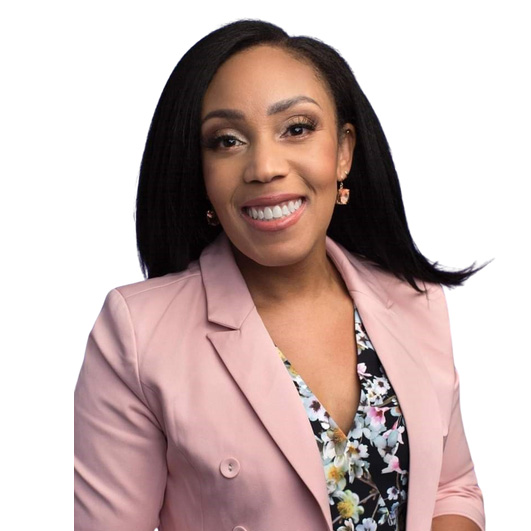
For Dr. Shaunda Grisby, a breast surgical oncologist, that shift in tone is what makes this CME conference stand out.
“At most conferences, we’re thinking about what we can bring back to our patients,” she said. “This one is about you. In a way, you become the patient.”
It’s a simple way to describe something that doesn’t happen often in healthcare – being permitted to focus on your own needs without feeling like you’re stepping away from your responsibilities.
The conversations that come from that perspective can be surprisingly honest. People talk about fatigue. About feeling stretched thin. About wanting to stay connected to why they chose this profession in the first place. They also discuss practical ways to make that possible, such as setting boundaries, building supportive teams, and finding healthier rhythms in daily life.

Shaunda Grisby, MD, FACS, MMM
Breast Surgical Oncologist,
Ochsner Lafayette General Breast Center
When the roles unexpectedly reverse
For some speakers, the connection to the Summit’s mission comes from personal experience.
Dr. Jeannette Liu spent years working as a neurosurgeon, including time serving as a combat physician. Later, a medical complication forced her into an unexpected role: that of a patient managing chronic pain.
That transition changed how she viewed both medicine and the people who practice it.
“It’s incredibly humbling to be on the patient side,” she said. “You realize how much people need to feel seen, heard, and understood.”
Her perspective resonates with many attendees, particularly those who have experienced moments when their professional identity collided with personal vulnerability.
It’s a reminder that even the most skilled providers are still human, something that’s easy to forget in environments that emphasize endurance and performance.

Jeannette M. Liu, MD, FAANS
Committee Member & Speaker
Why the conversation around burnout and self-care matters
For Dr. Nigel Girgrah, the importance on well-being is not theoretical. It’s shaped by both research and lived experience. His work as Chief Wellness Officer at Ochsner Health grew out of a deeply personal loss through the suicide of a colleague.
“Well-being is not a luxury in healthcare,” he said. “It’s a requirement if we want to accomplish everything else we’re trying to achieve.”
Beyond exploring statistics and trends, his focus is on practical ways healthcare systems and individuals can create more sustainable environments.
Those conversations provide language for attendees – and validation – for the challenges they’ve been quietly navigating.

Nigel Girgrah, MD
Hepatologist,
Ochsner Medical Center - New Orleans
Walking out with something you didn’t expect
One of the most common things attendees say after the Summit isn’t about a specific lecture or takeaway. It’s about how they feel.
Dr. Andrea Espinoza puts it:
“You leave thinking, ‘Okay. I can do this.’ You’ve heard stories, learned tools, and realized you’re not alone.”
That sense of shared experience often becomes the most lasting part of the event. People return to their work not just with new ideas, but with a renewed sense of connection to themselves, to their colleagues, and to the purpose that brought them into healthcare in the first place.

Andrea Espinoza, MD, FCCP, DipABLM
Pulmonologist & Lifestyle Medicine,
Orthopedic Center for Sports Medicine
Making space for yourself
Healthcare professionals spend their careers creating space for others. This experience is designed with you in mind. It’s not about stepping away from the work. It’s about making sure you can keep doing it with clarity, resilience, and a sense of balance.
- If you’ve ever felt like you were running on empty…
- If you’ve wondered how to sustain yourself in a demanding profession…
- If you believe continuing education should support the whole person, not just the clinical role…
Foundation for Wellness hosts The Wellness Summit to offer a chance to reverse that pattern, even if only for a few days.
If you’re looking for a CME experience that supports both your professional growth and your personal well-being, this Summit was created for you. Register for The Wellness Summit.
Frequently Asked Questions
It focuses not only on clinical education but also on provider well-being, resilience, and sustainability in healthcare careers.
Physicians, nurses, advanced practice providers, healthcare leaders, educators, and anyone working in patient care environments.
Yes! The Summit provides accredited continuing medical education hours.
No. Many attendees participate proactively to strengthen resilience and maintain long-term well-being.